What is a Chinese electric SUV?
A Chinese electric SUV is a battery-electric vehicle in the SUV body class — raised ride height, five or six seats, a boot you can actually use — built by a Chinese manufacturer and configured for export. The category runs from compact crossovers under $25,000 FOB to premium six-seat flagships that compete with the BMW X7 and Mercedes GLS on paper and at roughly half the price.
The phrase covers a lot of ground. Forty-eight Chinese electric SUV models were in production at last count. (Give it a fortnight.) What they share: large LFP or ternary lithium batteries, fast-charge capability, advanced driver-assistance systems as standard, and an industry that has spent the last decade watching European buyers' expectations closely enough to know exactly what a five-star NCAP test requires.
For dealers and importers the practical question is simpler: which models are actually export-ready, what do they land at in your market, and what do you need to confirm before putting your name on 50 units? This guide covers all three.
Why Chinese electric SUVs dominate export today
BYD overtook Tesla as the world's top EV seller. That is not a forecast — it happened. Chinese brands now account for more than 12% of electric car sales in the UK, a market that was virtually closed to them four years ago. In Southeast Asia and the Middle East the share is higher still.
Three things explain it. Not twelve. Three.
Battery cost. China produces around 77% of the world's lithium-ion battery cells. CATL alone holds 36.8% of the global market. Vertical integration from cell chemistry to finished vehicle means Chinese manufacturers carry a structural battery-cost advantage that European and Korean rivals cannot close quickly.
Software and cabin technology. A Chinese electric SUV at $35,000 FOB routinely includes a 15-inch rotating screen, over-the-air software updates, Level 2+ driver assistance, and connectivity features that a European rival adds as a $6,000 options package. That difference is visible in dealership walk-arounds and it sells.
Speed of iteration. A new model cycle in Europe takes five to seven years. Chinese manufacturers have compressed this to 18–24 months. The result: 2026 models reflect 2025 buyer feedback. That shows up in quieter suspension tuning for European roads and ADAS calibration adjusted for right-hand-drive markets. It is not marketing language — it is in the product.
A well-specified Chinese electric SUV at FOB $32,000 gives a distributor 18–22% gross margin at mid-market retail pricing in the UAE or UK. To achieve the same margin on a Korean rival, MSRP needs to sit above $48,000. That gap is why importers are switching portfolios — not because of ideology, not because the range anxiety argument still works (it doesn't — it retired to a comment section somewhere around 2021), but because the unit economics are straightforward.
Top Chinese electric SUV models in 2026
Eight models worth knowing. Each has an active export program, confirmed homologation in at least one major market, and a track record of actual units delivered — not just announced targets.

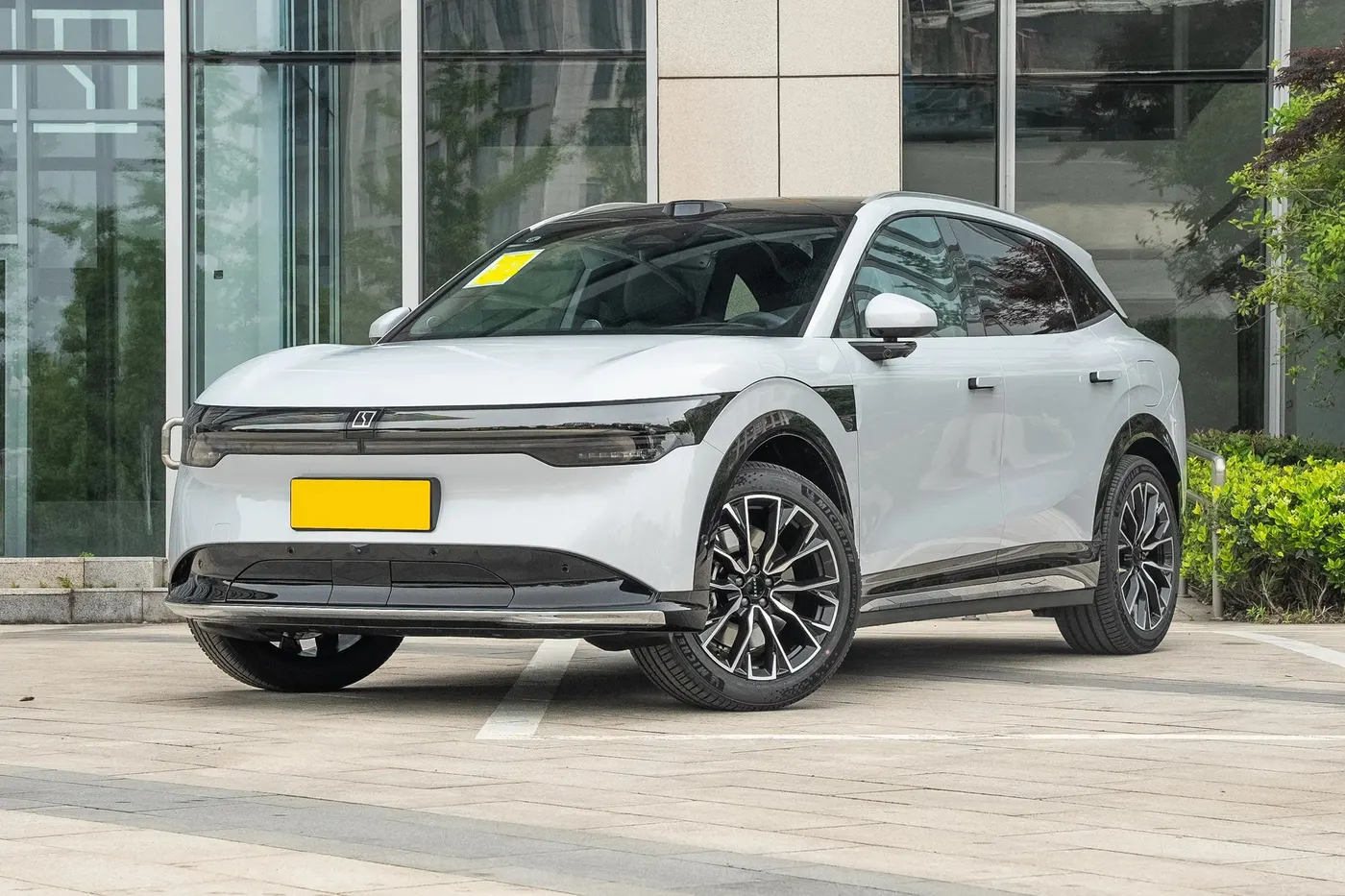
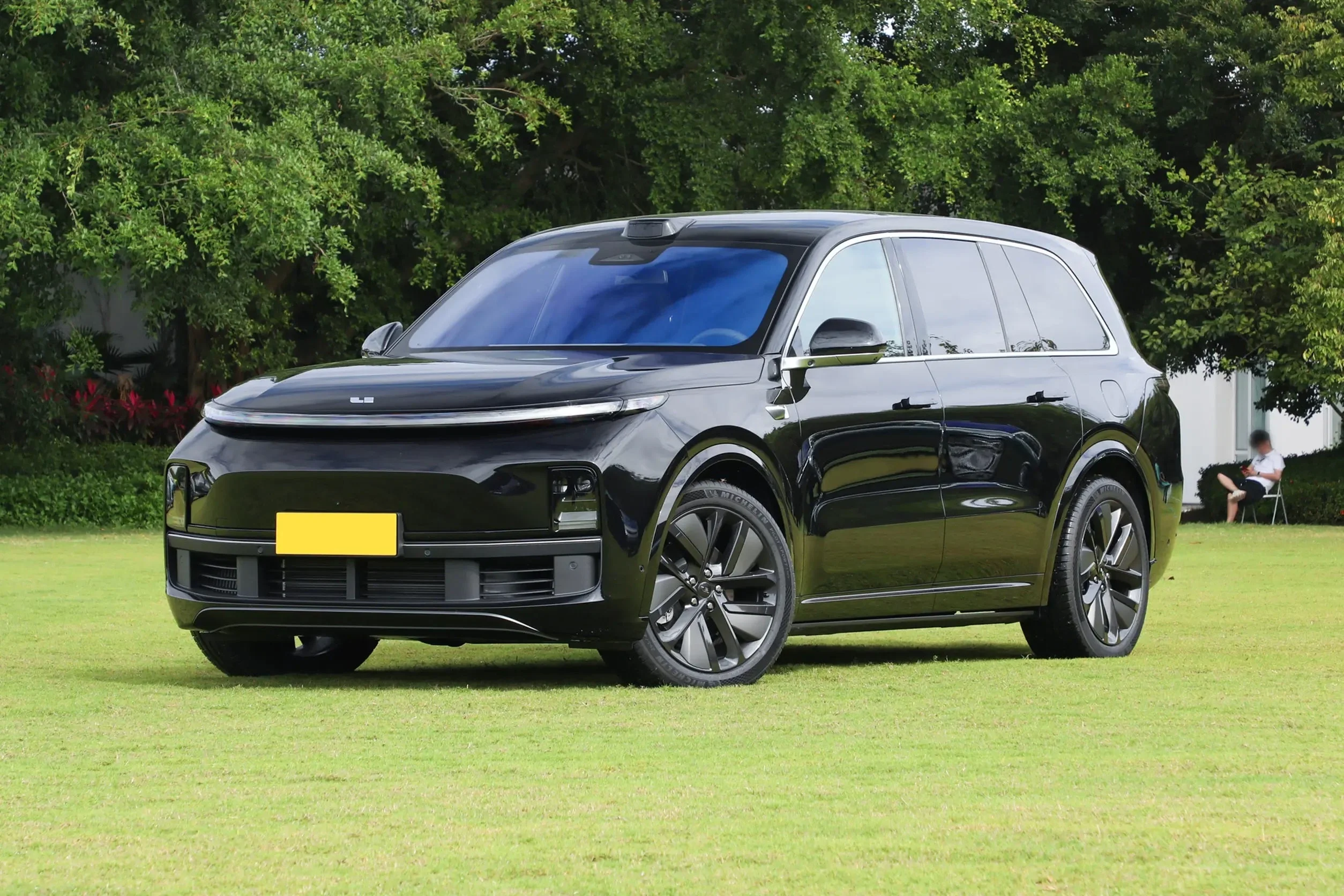
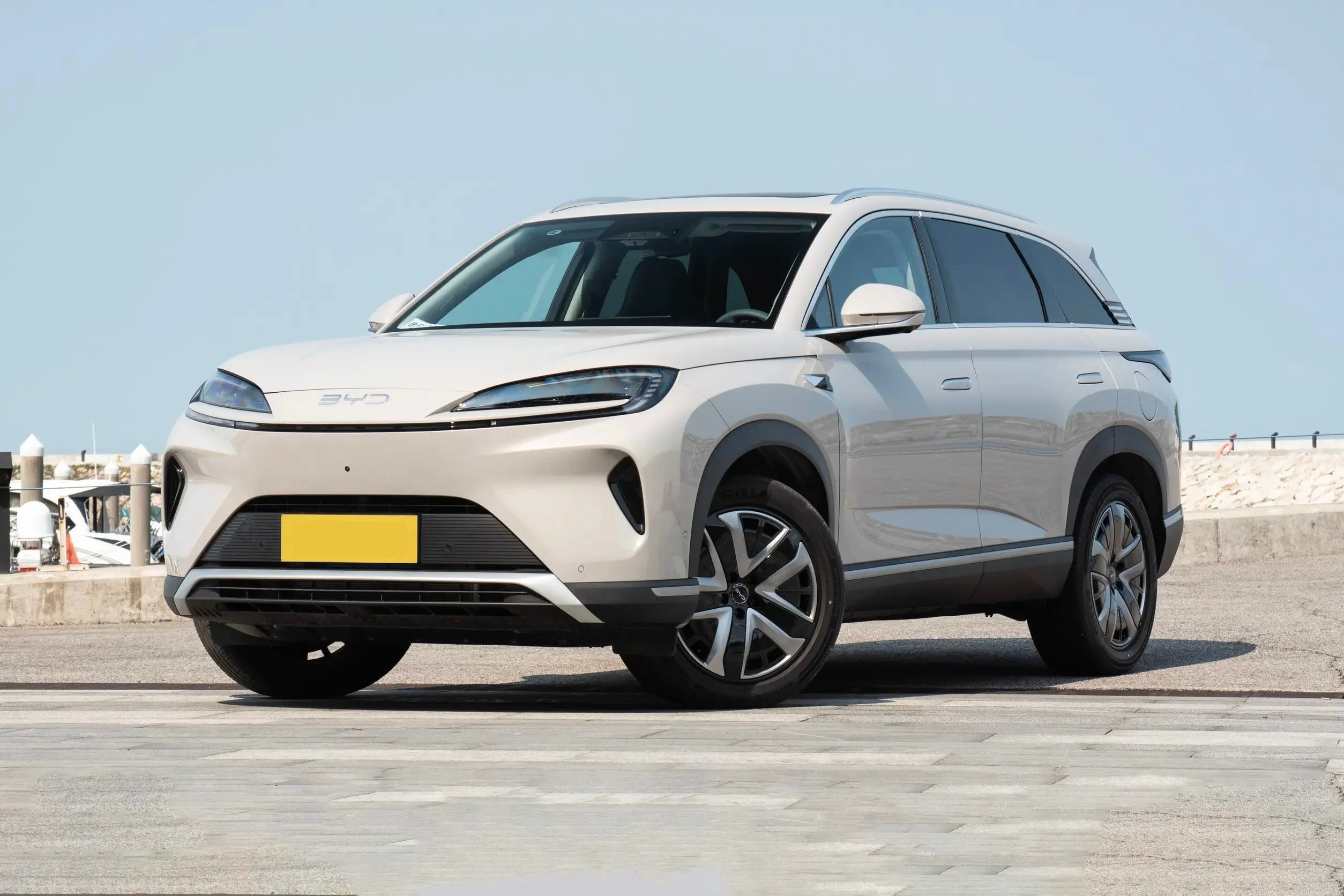
Export-ready Chinese electric SUV platforms are built to international safety and emissions standards from the factory floor.
| Model | Segment | Battery | WLTP range | FOB estimate | RHD |
|---|---|---|---|---|---|
| BYD Sealion 7 | Mid-size family | 82.5 kWh LFP | ~482 km | $32,000–$38,000 | Yes |
| BYD Tang EV | Large 6-seat | 108.8 kWh LFP | ~400 km | $50,000–$60,000 | Yes |
| MG S5 EV | Compact family | 73 kWh NMC | ~430 km | $24,000–$30,000 | Yes |
| Jaecoo E5 | Compact urban | 61 kWh LFP | ~350 km | $22,000–$28,000 | Yes |
| XPeng G6 | Mid-size tech | 87.5 kWh NMC | ~550 km | $34,000–$42,000 | Limited |
| Nio EL6 | Premium mid-size | 75–100 kWh NMC | ~410–580 km | $50,000–$65,000 | No |
| Zeekr 9X | Premium large | 100 kWh NMC | ~580 km | $55,000–$70,000 | Limited |
| Aito M9 | Luxury large | 100+ kWh NMC | ~630 km | $65,000–$85,000 | No |
FOB figures are indicative for B2B order volumes (10+ units). Spot-order pricing is higher. Confirm current pricing and production lead times directly — factory schedules shift quarterly.
BYD Sealion 7 — the volume choice
The Sealion 7 is the model most importers shortlist first. It has RHD, it has Euro NCAP five stars, it has dealer networks in 30+ countries, and at $32,000–$38,000 FOB it sits in the largest retail demand band in most markets. BYD's vertical supply chain makes delivery timelines more predictable than newer brands. For importers who want to move volume without surprises, this is the starting point.
MG S5 EV — the value case
MG (owned by SAIC) has the advantage of an established European brand and dealer infrastructure from its British heritage. The S5 EV rates consistently among the best-value electric SUVs in independent UK press tests. For markets where buyer trust of Chinese brands is still building, the MG badge reduces friction at the showroom floor. (Technically British, practically Chinese, entirely affordable — it is a complicated family tree.)
Jaecoo E5 — the entry-tier play
Jaecoo, Chery's export brand, has moved fast with RHD production and UAE/Saudi homologation. At sub-$25,000 FOB it is the most accessible entry point for fleet and shared-mobility buyers. The Jaecoo E5 also comes with a built-in refrigerator in some trim levels. Some things don't need a use case — they just need to be purchased.
XPeng G6 — the technology argument
If your retail buyer cares about software and driver assistance more than badge heritage, the G6 makes a strong case. XPilot ADAS, 800V architecture for 20-minute fast charging, and over-the-air updates that actually change how the car drives. The limitation: RHD availability is not confirmed for all markets. Check before quoting.
Specs to verify before importing
Marketing sheets are optimistic by design. The numbers that matter for your import decision are different from the numbers on the brochure.

Charging connector type, charging speed, and network compatibility vary by model and destination. Confirm before ordering.
- WLTP vs CLTC range. CLTC figures run 15–25% higher than WLTP. If you are selling into Europe or the UK, quote WLTP. If your market has no standard cycle, real-world test data is more useful than either.
- Charging connector type. CCS2 is standard in Europe. GB/T is the Chinese domestic standard. CHAdeMO is legacy. Confirm which standard your model ships with and whether a compatible adapter is included or orderable.
- Drive side. Right-hand drive is not a retrofit — it requires a different factory build. Confirm RHD production availability and lead time before taking any orders.
- Software language and map support. Navigation, voice control, and connected services are often China-centric in base builds. Confirm the localisation version for your market before shipment.
- ADAS calibration. Speed-sign recognition, lane-keeping, and autopilot features may need recalibration or deactivation for markets with different road standards. Confirm with the manufacturer's export team.
- Battery chemistry. LFP batteries perform better in cold climates and have a longer charge cycle life. NMC gives higher energy density for the same weight. Know which chemistry is in your model and whether it suits your destination market's climate.
- Warranty terms outside China. A 6-year/150,000 km warranty is standard on many Chinese EVs. Confirm whether that warranty is honoured by a registered entity in your market or whether it requires return to China.
Chinese electric SUV vs Korean and European rivals
The comparison buyers want is not which car wins a track test. It is which car gives a dealer the best margin at a retail price the market will actually pay.
| Dimension | Chinese EV SUV | Korean rival | European rival |
|---|---|---|---|
| FOB price band | $22,000–$65,000 | $38,000–$75,000 | $55,000–$120,000+ |
| Cabin technology | High (standard) | High (premium trims) | Medium–high (options) |
| NCAP safety | 5-star (top brands) | 5-star | 5-star |
| Parts supply chain | Developing (varies by brand) | Established | Established |
| Software OTA updates | Yes (all main brands) | Limited | Limited |
| Dealer margin at market MSRP | 18–25% | 12–18% | 8–14% |
The parts supply chain gap is real and worth naming. For markets where the brand does not have a regional distributor with a confirmed parts commitment, ordering without a service plan is a risk. This is not a reason to avoid Chinese EVs — it is a reason to ask the right question before signing.
Who buys Chinese electric SUVs and why
Independent dealers building a value EV range
The strongest use case. A Chinese electric SUV at $32,000 FOB retailing at $52,000 creates margin that a Korean mid-size EV at $45,000 FOB simply does not. Buyers want a safe, well-equipped five-seater with reasonable range. A five-star NCAP BYD or MG checks the boxes at a price that supports the dealer's business model.
A Dubai-based distributor had been ordering a Korean electric SUV at $48,000 FOB — $54,000 landed with 5% duty. He switched to the BYD Sealion 7 at $33,000 FOB, landing at $38,500. Same cabin equipment, same NCAP rating, $15,500 difference per unit. He used the margin difference to fund a 12-month extended service guarantee. Customers who asked about brand reliability got a concrete answer instead of a brochure. The brochure approach, it turns out, works better when there is nothing concrete to offer.
Fleet and corporate buyers
Fleet buyers are less brand-sensitive and more total-cost-of-ownership sensitive. Chinese electric SUVs win fleet business on three factors: lower acquisition cost, lower running cost (LFP battery, heat pump HVAC), and competitive residual values in markets where EV demand is growing. Confirm fleet-specific warranty terms and telematics capability before pitching a proposal.
Project importers and government procurement
Some of the largest Chinese EV contracts are government fleet orders in Southeast Asia, Africa, and the Middle East. BYD has won government fleet tenders in more than 40 countries. For project importers, the critical variables are homologation status, payment terms, and the manufacturer's ability to commit to a production and delivery schedule. Volume pricing typically starts at 20+ units for most brands. Browse available SUV models or submit a quote request to discuss project quantities.
Premium and luxury segment
Nio, Zeekr, and Aito are targeting the segment where a German badge has historically been the default. The product case is strong on specification and technology. The distribution infrastructure is still developing in most Western markets. For premium-segment importers, the question is not whether the car is good — it is whether the brand has invested in your specific market's service network.
How to choose the right Chinese electric SUV for your market
-
1
Define your target retail price band first. Work backwards from the retail price your market will support. Subtract your required margin, import costs, and registration fees. The number you are left with is your maximum FOB budget. Start shortlisting models from there — not from a brochure.
-
2
Confirm homologation status. A model without homologation in your destination market cannot be registered. Some brands have full type approval; others require individual vehicle approval (IVA) or a compliance modification process. Confirm the specific certificate — not a general claim — before ordering.
-
3
Verify drive side and charging standard. Both require factory-build confirmation. RHD models must be ordered as RHD from the plant. Charging connector type determines which public charging networks your buyer can access. These are not small details — they are the details that end distributor relationships.
-
4
Confirm parts and service infrastructure. Ask directly: what is the parts lead time from China to your country? Who handles warranty claims? Where is the nearest authorised service centre? If the answers are vague, that is your answer.
-
5
Request a sample unit before bulk ordering. A physical inspection and a week of local driving will surface fitment issues, software localisation gaps, and charging compatibility questions before they affect 50 customers. For a new brand relationship, this is not optional.
-
6
Get payment terms and delivery schedule in writing. FOB price, production lead time, shipping schedule, and pre-delivery inspection requirements should all be in the sales contract. "Approximately Q3" is not a delivery schedule. Use the landed-cost calculator to model the full cost before committing to any order.
Import checklist: from FOB to landed cost
The FOB price is the starting point. Landed cost is what you actually pay before the vehicle reaches your lot. The gap is larger than most first-time importers expect — and in some markets, significantly larger.

Getting the import numbers right before you order is the difference between a profitable first container and an expensive education.
| Cost component | Typical range | Notes |
|---|---|---|
| FOB price | $22,000–$85,000 | Per unit. B2B volume pricing starts at 10+ units for most brands. |
| Ocean freight | $800–$1,800 / unit | RoRo is lower cost. Container protects higher-value units. Varies by port and season. |
| Marine insurance | 0.8–1.2% of CIF | Required for most financing. Recommended regardless. |
| Customs duty | 0–35% | UAE: 5%. UK: 27.5% (2026 China tariff rate). EU: 17.4–35.3% (model-dependent). Southeast Asia: varies significantly by country. |
| Import VAT / GST | 0–25% | Applied to CIF + duty. UAE: 5%. UK: 20%. Australia: 10%. |
| Port handling | $200–$450 / unit | Unloading, port storage if delayed. |
| Customs clearance | $250–$500 / unit | Broker fees, documentation, examination if selected. |
| Homologation / compliance | $500–$3,000+ | One-time per model per market for IVA. Nil for fully type-approved models. Amortise over total import volume. |
| Local delivery from port | $0–$800 | Depends on distance from arrival port to your delivery point. |
Run the numbers for your specific destination using the landed-cost calculator on the Electric SUV page. For a precise export quote with current factory pricing, submit an inquiry with your destination country, model preference, and quantity.
Common pitfalls when importing a Chinese electric SUV
- Ordering LHD for an RHD market. Happens more often than it should. The fix is a factory re-order, not a conversion. Allow for the full production lead time in your plan before taking customer deposits.
- Assuming CLTC range equals real-world range. Buyers in your market will ask "does it actually do 500 km?" Test it before you claim it. WLTP figures are the right benchmark for European-standard markets. Build in a 10–15% buffer when advising customers.
- Not confirming charging standard before shipment. A CCS2 market receiving a GB/T vehicle is not a $200 adapter problem — it is a public charging infrastructure problem. Verify the connector standard with the factory export team before the container leaves port.
- Underestimating import duty. The EU applied anti-subsidy duties on Chinese EVs in 2024: BYD at 17.4%, SAIC (MG) at 35.3%, other manufacturers at 21.3%. UK rates differ again. These are not rounding errors on a $40,000 vehicle.
- No confirmed service plan at point of sale. Retail buyers will ask where they can get it serviced. If the answer at time of sale is "we will sort that out," it will still be "we will sort that out" 18 months later when a customer has a fault code. Confirm the service arrangement before selling the first unit.
- Skipping pre-delivery inspection. PDI catches paint defects, trim misalignment, and software faults before they reach the customer. It is faster and cheaper to deal with at port than after delivery. Make it a standard step in your import process.
Straight answers
Which Chinese electric SUV is best for export in 2026?
The BYD Sealion 7, MG S5 EV, and Jaecoo E5 are the most export-ready in 2026. Each has confirmed right-hand-drive options, NCAP safety ratings, and established parts channels in multiple markets. The right model depends on your target price band and destination.
How much does it cost to import a Chinese electric SUV?
A mid-range Chinese electric SUV at $32,000 FOB typically lands at $37,000–$42,000 in UAE or Southeast Asia (5% duty) and $43,000–$55,000 in Europe (10–35% duty). Use the landed-cost calculator for a destination-specific breakdown before placing an order.
Are Chinese electric SUVs reliable for overseas markets?
Top-tier brands — BYD, MG, XPeng — carry 5-star Euro NCAP ratings and have established service networks in dozens of countries. Reliability in your market depends on parts lead times, software update capability, and whether the brand has committed service infrastructure to your region. Confirm all three before ordering.
What range do Chinese electric SUVs offer?
Current Chinese electric SUVs range from 350 km (entry-tier, ~60 kWh LFP) to 630 km (flagship, 100+ kWh NMC) on WLTP. CLTC figures are 15–25% higher. Confirm WLTP or real-world range data from the manufacturer before stating figures in your market collateral.
Which Chinese brands export electric SUVs globally?
BYD, MG (SAIC), XPeng, Nio, Jaecoo (Chery), Leapmotor, Omoda, Zeekr (Geely), and Denza (BYD) all have active export programs as of 2026. The depth of market support varies significantly by region — confirm availability in your specific destination country before committing to a brand relationship.
What homologation is needed to import a Chinese electric SUV?
Requirements vary by destination. EU imports require UN-ECE type approval or a national Certificate of Conformity. UK requires UKNI or GB type approval. UAE requires ESMA certification. Most major Chinese brands now hold multiple certificates — confirm the specific certificate for your destination before purchasing.
Can I buy Chinese electric SUVs in right-hand drive?
Yes. BYD, MG, and Jaecoo all produce RHD variants for markets including the UK, Australia, Japan, Thailand, and southern Africa. Confirm RHD availability and production lead time for your specific model before taking customer orders — do not rely on general brand statements.
Ready to source your first container?
Tell us your destination market, preferred model, and target quantity. We will put together a landed-cost breakdown and confirm current factory availability. Most importers get a first response within one business day. The ones who do not are usually the ones who sent a three-word email — so include the details.