
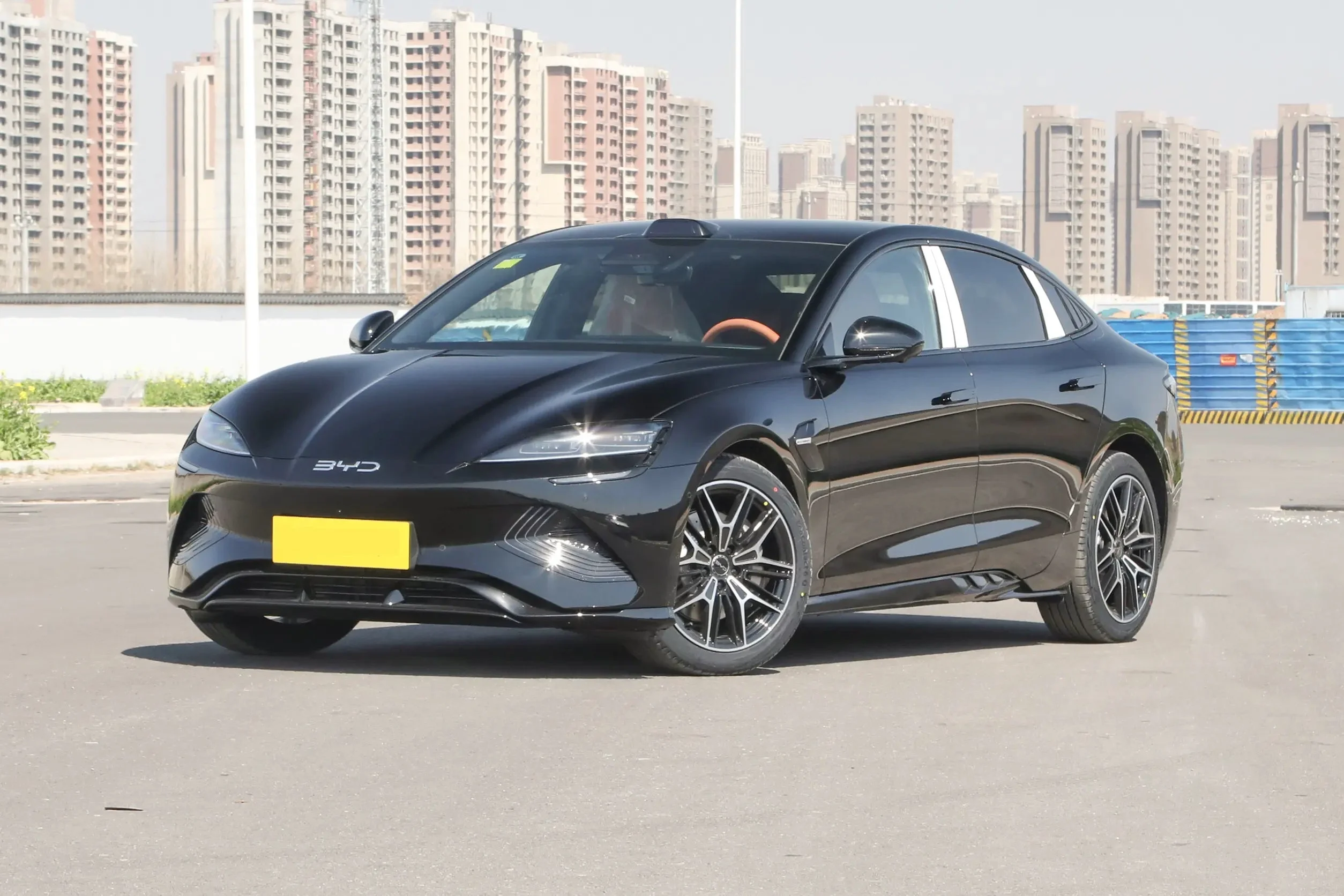
Choose Chinese electric sedans with one market-specific worksheet. Define the buyer and price band; compare range under the same test cycle; verify charging inlet and power; measure rear-seat, trunk and road-clearance needs; freeze the export trim and software region; confirm approval, parts and warranty; then inspect the exact VIN. BYD Seal, NIO ET5 and XPeng P7 can be reference families, but only destination-specific versions belong in the final quote.
1. Define the buyer and transaction before listing models
Write the retail or fleet customer, price ceiling, financing assumptions, annual distance, home/depot charging, passenger mix, luggage, climate, roads and service expectations. A sporty retail sedan, executive fleet car and ride-hailing unit need different rear-seat, tire, efficiency, downtime and warranty priorities.
| Buyer | First decision | Evidence |
|---|---|---|
| Private retail | Daily charging, cabin, warranty and resale support | Market brochure, test drive, service network and ownership terms |
| Executive fleet | Rear seat, ride, uptime and predictable charging | Duty-cycle test, SLA, parts and replacement plan |
| Ride-hailing | Energy cost, rear access, tire wear and downtime | Loaded route trial and maintenance forecast |
| Dealer stock | Approval, software, language and repeatable configuration | Version code, conformity pack and unit inspection |
2. Compare range only under the same cycle and conditions
Keep CLTC, WLTP and EPA figures in separate columns. Never rank a China-market CLTC value against a European WLTP value as though both represent the same test. Record battery usable/gross convention, wheels, drivetrain, temperature, speed, HVAC, load and route. Official data also carries conditions: XPeng states that actual P7 range changes with load, temperature, HVAC, terrain and vehicle condition.
For a dealer forecast, use a conservative route trial and reserve rather than promising the brochure maximum. Show urban, mixed and highway duty separately. The Chinese EV landed-cost guide can hold the commercial assumptions while this page owns sedan selection.
3. Verify the inlet, onboard charger and complete charge curve
Confirm CCS2, GB/T or the exact destination connector; AC phases and onboard power; peak DC power; the stated 10–80% window; battery preconditioning; and local network compatibility. BYD’s current official Seal export sheet, for example, identifies CCS2 and version-specific AC/DC data. XPeng’s official European P7 data identifies 11 kW AC and a version-specific DC charging window. Those figures cannot be transferred to a different trim without evidence.
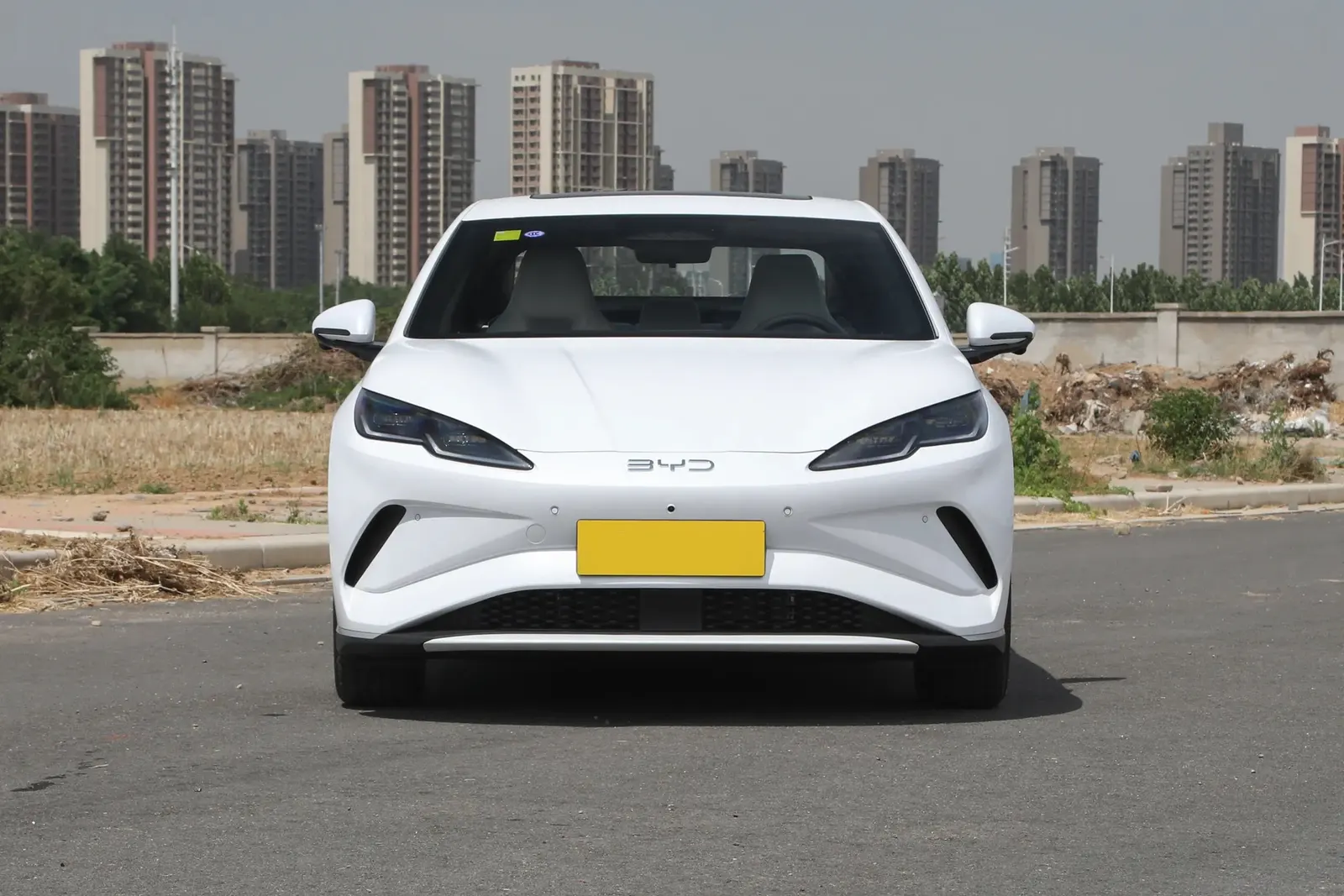
Follow the charging compatibility guide and test a local AC and DC charger before ordering volume.
4. Measure rear-seat, trunk and road fit
Record front seats in the target driving position, then measure rear knee, head and foot space; door aperture; child-seat points; trunk opening; usable luggage shape; rear-seat folding; curb clearance and approach/breakover constraints. A fastback, sedan and touring body can produce different luggage usefulness even when a headline volume looks similar.
Wheel and tire specification affects range, replacement cost and ride. Ground clearance, underbody protection and tire availability matter in markets with speed humps, rough roads or long parts lead times. Use an actual loaded-route test instead of extrapolating from an empty press vehicle.
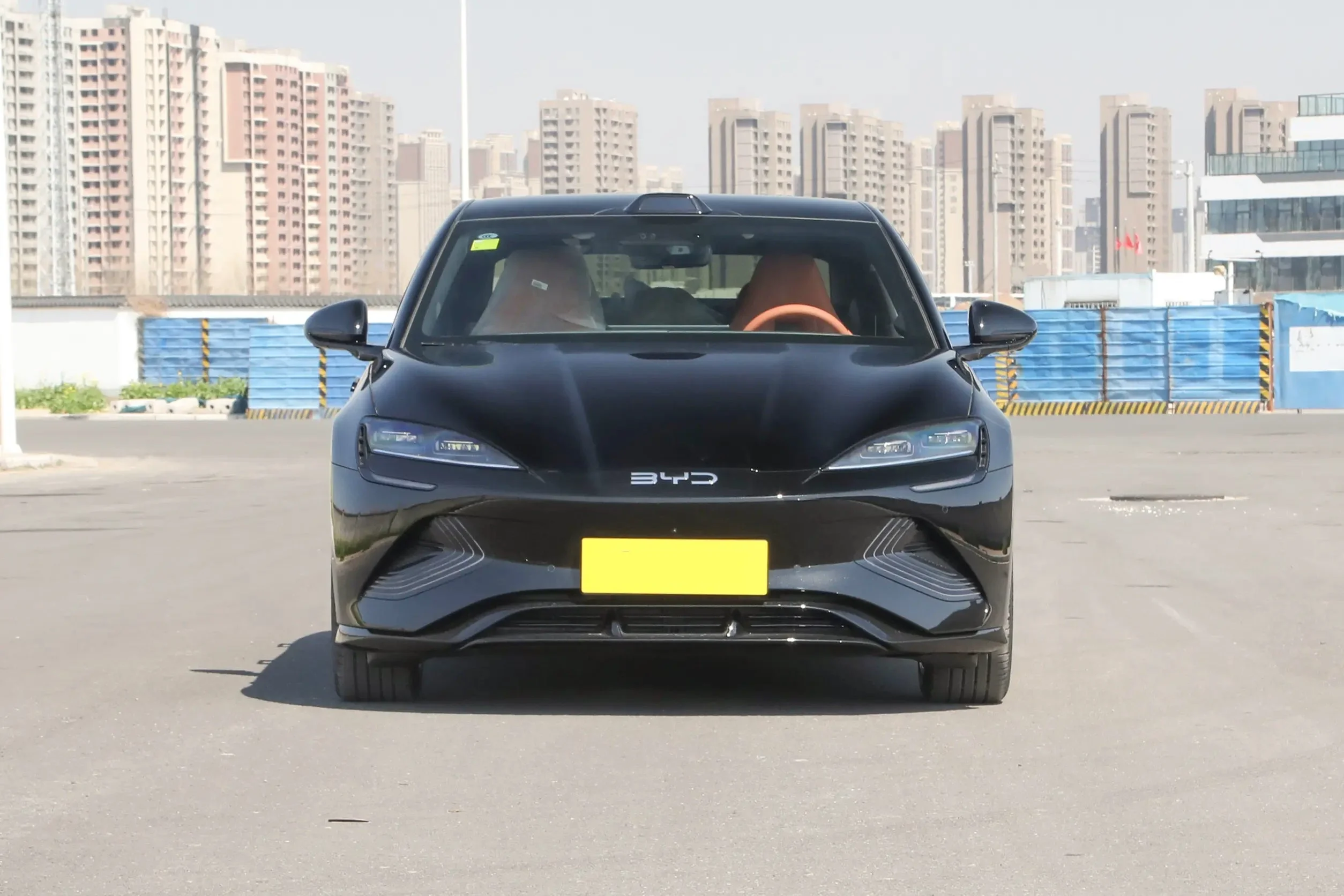
5. Freeze export trim, language, OTA and connected services
Name the destination, model year, trim code, production month and approval version. Demonstrate display language, units, maps, voice functions, app pairing, account creation, eSIM/SIM, OTA, remote services and assisted-driving functions under the destination setup. Do not promise a feature from a China-market video.
Version gate: the final specification must come from the destination-market manufacturer document or an evidence pack that explains how the imported vehicle will be approved and supported. A model name alone is not a configuration.
6. Confirm approval, warranty, diagnostics and parts
Ask for the applicable conformity or type-approval basis, customs and registration documents, owner and emergency manuals, high-voltage service information, warranty territory, diagnostic-tool access, software support, collision parts and routine parts. Confirm who approves repairs and what happens when a car cannot move.
Safety ratings also belong to the exact tested variant and market. Do not attach a five-star claim to a different trim without checking the test record. Treat assisted-driving systems as support features, not autonomous-driving promises.
7. Build a comparable shortlist, then inspect the exact unit
Use BYD Seal, NIO ET5 and XPeng P7 as recognizable reference families only after all candidates use the same columns. Add other models when they meet the same buyer and market definition. Do not force three names into a shortlist if one lacks approval or support evidence.
| Field | Comparable answer required | Reject answer |
|---|---|---|
| Version | Market, model year, trim and code | “Latest” or “same as China” |
| Range | Same cycle plus wheels and conditions | Mixed CLTC/WLTP maximums |
| Charging | Port, AC, DC curve/window and local test | Peak kW only |
| Software | Destination demo and support boundary | Feature video from another market |
| Ownership | Warranty, diagnostics, parts and SLA | Unwritten supplier assurance |
For the selected units, use the pre-shipment inspection checklist to reconcile VIN, order, battery/charging, functions, condition and documents. Keep the class guide separate from exact product pages under the vehicle catalog.
Request a comparable sedan shortlist
Send destination, buyer profile, target price, quantity, range cycle, charging environment and support requirements. We can return a version-controlled request rather than a mixed-market model list.
Request a sourcing reviewFrequently asked questions
What is the best Chinese electric sedan?
The answer depends on buyer, destination version, charging, cabin, roads, approval and support. Compare exact versions under one worksheet.
Can CLTC and WLTP range be compared directly?
No. Keep test cycles separate and verify a route scenario under the destination conditions.
Will a China-market charging port work locally?
Only if the inlet, protocol, voltage, onboard charger and local network are compatible. Verify the physical vehicle.
Do apps and OTA work after export?
Not automatically. Verify region, account, connectivity, maps, language and manufacturer support.
Should dealers inspect every vehicle?
Use a unit-level acceptance process tied to each VIN, especially for configuration, battery/charging, condition, functions and documents.